Home › Asphalt Pathways, Sidewalks, and Trails
Precision Asphalt Indianapolis provides asphalt pathway paving in Indianapolis, IN for parks, schools, HOAs, and corporate campuses. We construct smooth multi use trails, walking paths, and asphalt sidewalks that are durable and accessible. Enhance your property with well designed asphalt paths for walkers, runners, and cyclists.
Precision Asphalt Indianapolis provides professional asphalt pathway paving throughout Indianapolis, IN, Indiana and the surrounding area. Our licensed, insured crew delivers safe, clean, on-time work with a free estimate before anything begins. Call (317) 793-2897 or request your free quote.
Asphalt Pathways, Sidewalks, and Trails in Indianapolis
Asphalt pathway paving is not a side job for us. At Precision Asphalt Indianapolis, it is a core service we deliver for parks, HOAs, schools, healthcare campuses, commercial sites, and private properties throughout Indianapolis and the surrounding communities.
Indianapolis soils, freeze-thaw cycles, and stormwater patterns are different from other cities. Sidewalks and trails that might hold up fine in a warmer, drier climate will crack and heave here if they are not designed for local conditions. Our crews work year-round in Marion County and nearby areas, so our designs and installation practices are based on what actually lasts on the ground here, not what a generic manual says.
Whether you need a short residential asphalt walkway, a network of accessible sidewalks around a commercial building, or a multi-use recreational trail, we size the pavement structure and drainage for your exact use. That means fewer trip hazards, less standing water, and surfaces that stay smooth longer, even with heavy Indiana temperature swings.
Planning and Design: Getting the Layout and Thickness Right
Every asphalt pathway paving project starts with a site walk. We measure slopes, check existing grades, look at how water moves across the property, and note any trees, roots, and utilities that will affect the layout. For many Indianapolis sites, we also pay attention to how snow is typically plowed and piled so the new path edges are not crushed by equipment or meltwater.
Design decisions are based on usage. A light-use garden walkway with only foot traffic does not need the same structure as a greenway trail that will see golf carts, maintenance vehicles, or emergency access. For traditional sidewalks we often recommend a 2 to 3 inch compacted asphalt surface over 4 to 6 inches of compacted aggregate base. For multi-use paths that may see light vehicles, we may increase asphalt thickness to 3 to 4 inches and the base to 6 to 8 inches.
We help you determine path widths that comply with local standards as well as ADA accessibility where required. In general, pedestrian-only asphalt sidewalks are at least 4 to 5 feet wide, while shared-use trails in parks or around campuses often range from 8 to 12 feet to safely accommodate bikes, strollers, and walkers. We recommend gentle transitions and tapers where new asphalt ties into existing concrete or older asphalt so there are no abrupt bumps that catch wheels or create trip points.
Site Preparation and Base Construction
Long-lasting asphalt pathways in Indianapolis start with a solid base. Our crews begin by clearing sod, roots, and organic material down to a stable subgrade. If the area holds water or shows signs of soft, pumping soils, we may undercut and replace unsuitable material with compactable fill. In low spots and along creek-adjacent trails, we sometimes specify geotextile fabric between the native soil and aggregate base to improve stability and reduce mixing.
We then place and compact an aggregate base, typically crushed limestone or similar material that compacts tightly. This base is installed in lifts, often 3 to 4 inches at a time, with each lift compacted using plate compactors or rollers depending on the path width and access. Proper compaction is crucial because most pathway cracks start with base movement, not asphalt failure.
During base construction we set elevations to provide a slight cross-slope, usually around 2 percent, so water sheds off the path instead of ponding. In wooded or low-lying Indianapolis areas that receive a lot of runoff, we may incorporate shallow swales or French drains along one side of the path. Getting drainage right at this stage is the difference between a surface that stays smooth and one that develops edge breaks and potholes within a few winters.
Asphalt Placement, Joints, and Edges
For asphalt pathway paving, we use hot mix asphalt suited to Indiana DOT and local specifications, but tailored for pathway use, not just roadways. The mix is delivered from local plants so haul times stay short and the asphalt remains workable and compacts properly. Depending on path width and access, we place asphalt with a small paver for consistent thickness or by hand using asphalt rakes in tighter areas.
We install asphalt in one or two lifts as determined in the design phase. For example, a 3 inch finished surface might be placed as a 2 inch base lift and a 1 inch surface lift, each compacted separately. Compaction is done while the mix is still hot using a combination of steel drum rollers for the main surface and smaller plate compactors on edges and around utilities. Proper rolling eliminates voids, reduces permeability, and improves resistance to raveling and early cracking.
Transitions and joints receive extra attention. Where a new asphalt sidewalk meets an existing concrete walk or curb, we grind or taper the joint so there is a smooth, ADA-friendly transition. If the path is built in sections on different days, we sawcut the cold joint edges and tack coat them before placing new asphalt so the seam bonds and does not become a weak spot. Along edges, we can leave a compacted shoulder of aggregate or topsoil for seeding, or in high-traffic locations we may recommend concrete edge restraints or curbing to keep the asphalt from unraveling.
Finishing Details, Markings, and Accessibility
Once the asphalt is placed and compacted, we address all finishing details that make the pathway or sidewalk practical and safe for daily use. For multi-use trails and campus walkways, we can add centerlines, edge lines, and bike or pedestrian markings using traffic-grade paint. In darker or wooded areas, we sometimes recommend reflective markers or bollards at crossings to improve visibility for both path users and vehicles.
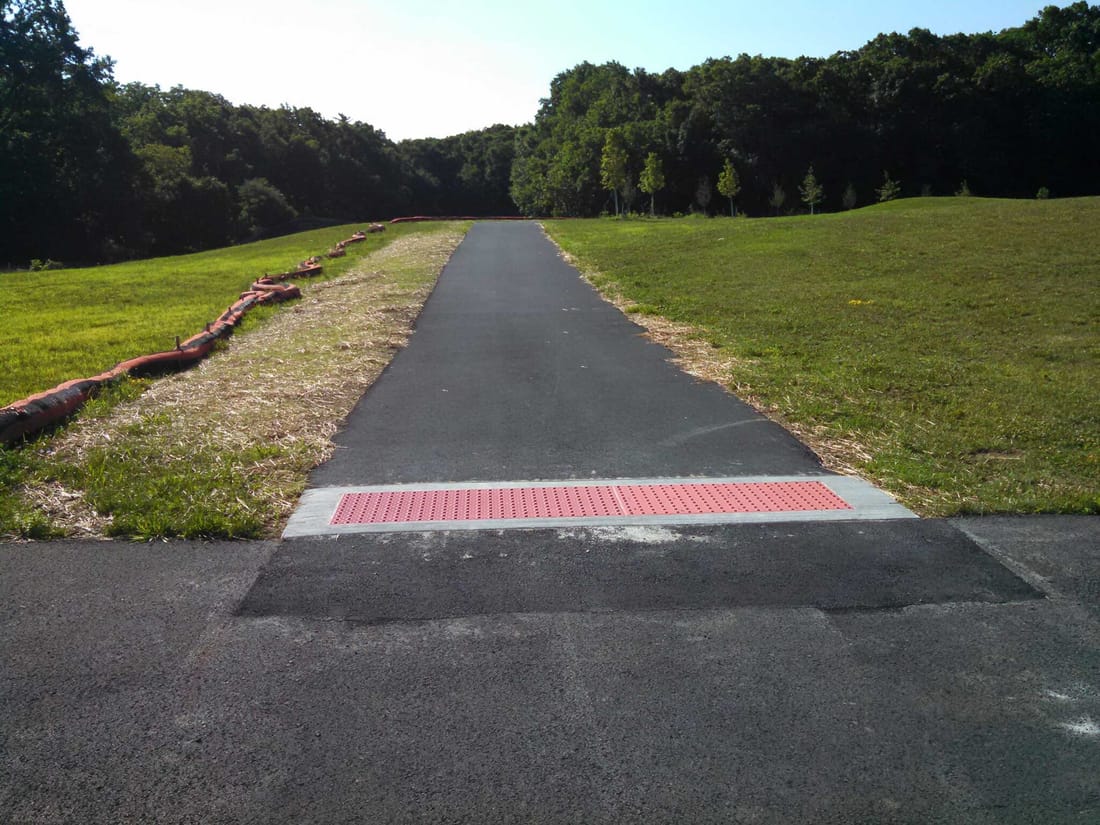
Accessibility is a major focus in our pathway designs. Where the path crosses drive lanes or sidewalk intersections, we coordinate with concrete contractors or handle the work directly to install ADA-compliant curb ramps, detectable warning surfaces, and proper approach slopes. Grades are checked to keep both longitudinal and cross slopes within guidelines while still maintaining adequate drainage.
For sites where winter maintenance is intense, such as hospital campuses or commercial sites, we discuss de-icing practices with you. Asphalt generally tolerates salt better than some concrete mixes, but we still design joints, edges, and drainage to minimize areas where freeze-thaw and salt can concentrate. This level of planning is especially important in Indianapolis, where rapid temperature swings and mixed precipitation are common in late fall and early spring.
Cost Factors and Common Problems to Avoid
The cost of asphalt pathway paving in Indianapolis is driven by several very specific factors. Path length and width are obvious components, but the complexity of the site and access for equipment can matter just as much. A straight, easily accessed sidewalk along a new commercial frontage is typically less expensive per foot than a winding wooded trail that requires careful tree protection and smaller equipment.
Subgrade and base preparation are significant variables. If your site has firm, well-drained soils with gentle grades, base thickness can often be kept moderate and excavation is straightforward. On the other hand, if the planned path crosses fill areas, old construction debris, or very wet ground, we may need deeper excavation, undercutting, geotextile fabric, or thicker base material. We are transparent about these conditions during the site walk and include them clearly in your proposal so you know what is driving the number.
Common problems we are called to fix on existing Indianapolis pathways include alligator cracking from thin bases, heaving at tree root zones, and chronic ponding at low spots. When we design and build new paths, we address these risks upfront by thickening the base in soft sections, rerouting around critical roots when possible, using root barriers, and adjusting elevations so water never sits on the pavement. Choosing a contractor who understands these local issues saves you from early reconstruction and liability headaches from trip-and-fall claims.
Maintenance, Repair Options, and Why Local Experience Matters
After your new asphalt pathway, sidewalk, or trail is in service, a simple maintenance plan can stretch its life significantly. Precision Asphalt Indianapolis typically recommends a light crack sealing program as soon as the first fine cracks appear, usually after a few seasons, rather than waiting for large failures. For wider paths, periodic sealcoating can help slow oxidation and improve appearance, provided the surface is clean and structurally sound.
When localized problems do show up, we offer targeted repairs instead of pushing full replacement. This might include milling and patching small failed areas, overlaying segments with additional asphalt to restore cross-slope, or adding drainage improvements alongside the existing path. Because our crews build new work and handle repairs, we can give you a realistic assessment of what is worth saving and what should be rebuilt.
Local experience is critical for pathway work around Indianapolis. Soil types differ from one part of the metro area to another, and drainage requirements along the White River or Eagle Creek are not the same as those in higher, drier neighborhoods. Our familiarity with city and county standards, local asphalt plants, and real-world performance of different mixes means you get a pathway design that fits your property, your users, and our climate. When you talk with Precision Asphalt Indianapolis about asphalt pathway paving, you are working with a contractor who has seen what fails here and, more importantly, knows how to build what lasts.