Home › Walkway and Pathway Paving
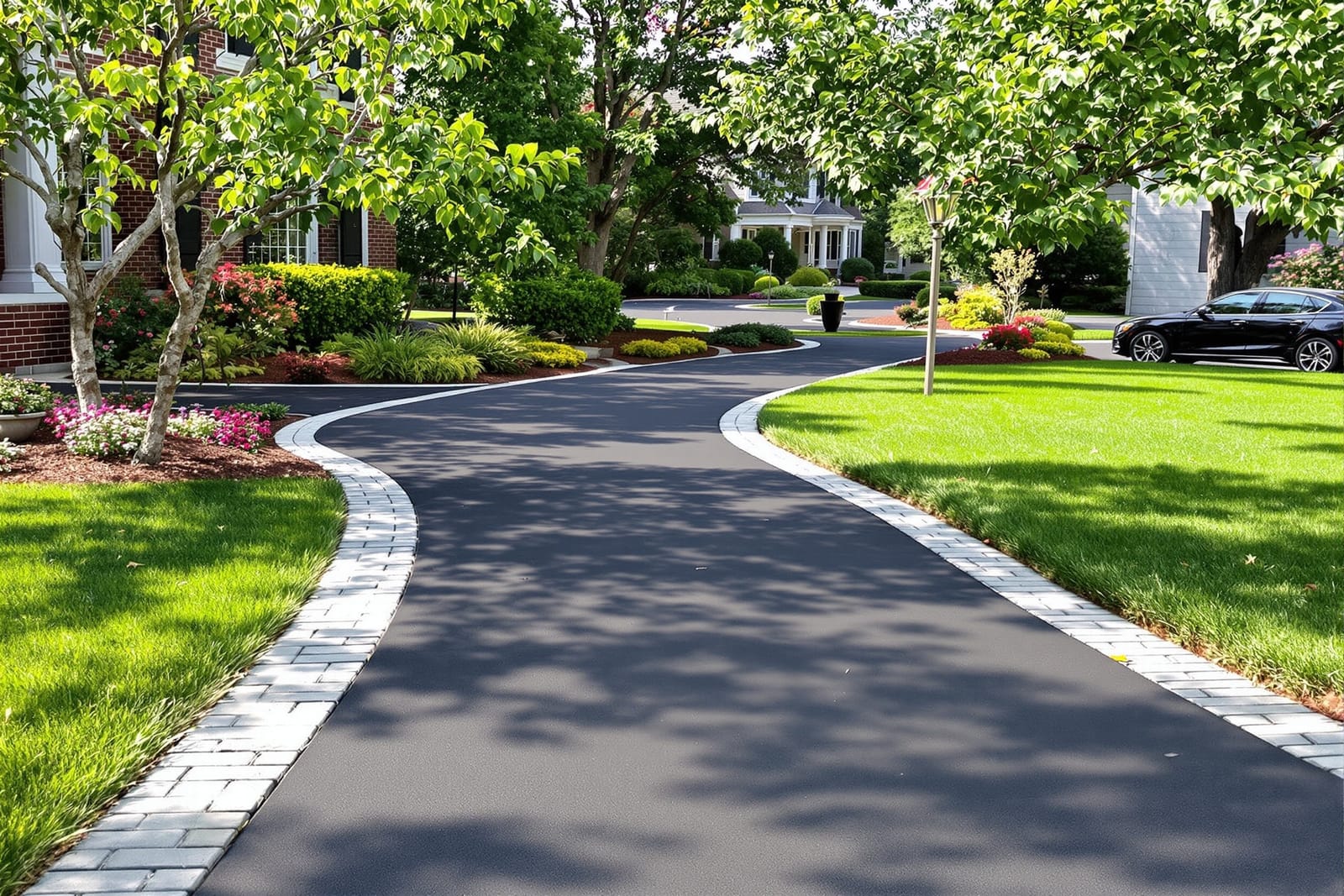
Precision Asphalt Indianapolis handles asphalt walkway paving in Indianapolis, IN for homes, shared drive lanes, and small community paths. We design and pave smooth, even asphalt paths that are safe for walking, strollers, and bikes while blending with your landscaping. Let our team create a durable asphalt path that fits your property.
Precision Asphalt Indianapolis provides professional asphalt walkway paving throughout Indianapolis, IN, Indiana and the surrounding area. Our licensed, insured crew delivers safe, clean, on-time work with a free estimate before anything begins. Call (317) 793-2897 or request your free quote.
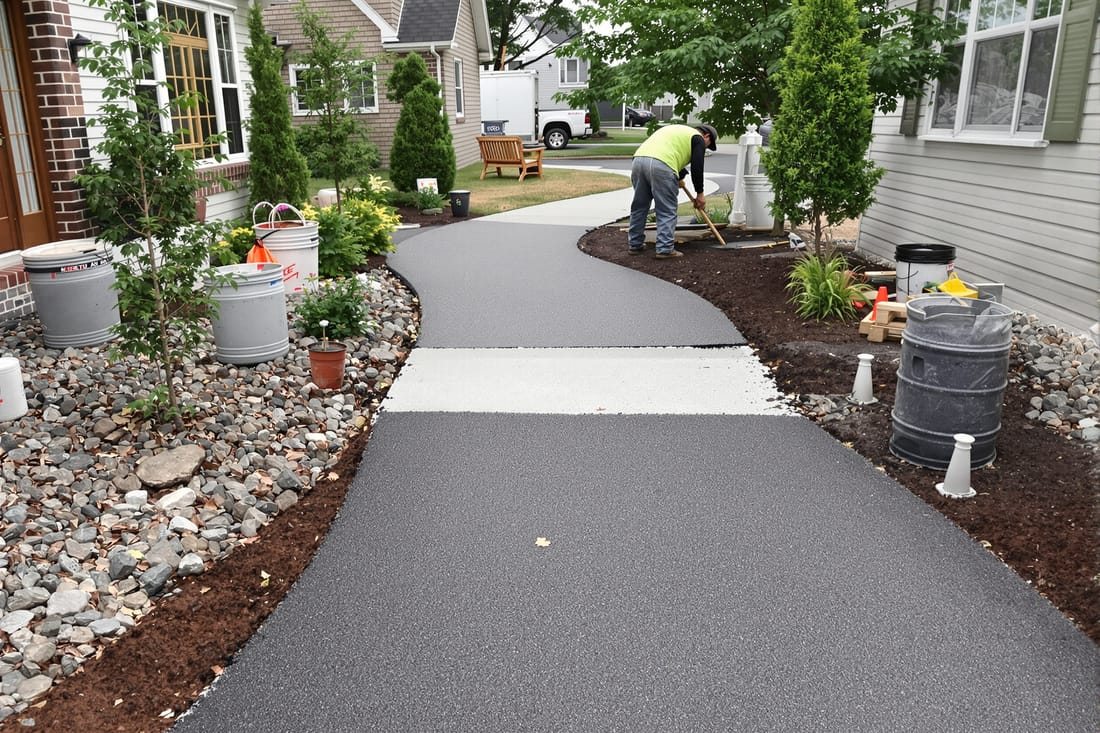
Asphalt Walkway Paving in Indianapolis That Holds Up to Real Foot Traffic
At Precision Asphalt Indianapolis, we build walkways and pathways that are meant to be walked on every day, not just photographed the first week. For homes, apartments, businesses, parks, and churches around Indianapolis, asphalt is often the best mix of price, durability, and safety.
Most people call us when they are dealing with one of three situations: a muddy or rutted foot path that tracks dirt inside, old concrete that is cracked and uneven, or a new build that needs safe, clean access from parking to doors or between buildings. We look at how the space is really used. For example, a narrow 3 foot strip might be fine for a backyard path, but an apartment complex with strollers and carts usually needs 5 feet or more so people can pass each other without stepping into grass or snow.
For Indianapolis weather, asphalt walkways flex better than concrete when we go from freezing nights to warm afternoons. That means fewer trip hazards from frost heave and fewer broken corners at edges. The surface also stays slightly textured so it is not as slick when we get the freeze-thaw refreeze cycles that are common here from late November through March.
We handle everything from simple straight runs from driveway to front door to more involved systems of winding paths through common areas, playground access routes, and ADA accessible routes for public facilities. Every project starts with a walk-through on site, so we see where water moves, how people already walk, and what kind of traffic the walkway will really see over the years.
How We Build Long-Lasting Asphalt Walkways and Paths
A solid walkway is mostly about what you do before the asphalt goes down. Our crews at Precision Asphalt Indianapolis follow a consistent process so you get an even surface that drains properly and holds up over time.
We begin with layout and excavation. We mark the walkway edges, then cut and remove sod, old concrete or broken asphalt. For most residential walkways we excavate 6 to 8 inches below finished grade. Heavier use paths at schools, parks, or commercial sites may need 8 to 12 inches, especially where carts or maintenance vehicles will drive on them.
Next comes the base. We install compacted crushed stone, usually a limestone aggregate common in Central Indiana, in layers of 2 to 3 inches at a time. Each layer is compacted with a plate compactor or roller until it is firm and unyielding underfoot. The base is sloped slightly, generally 1 to 2 percent, so water runs off instead of pooling in the middle of the path.
Once the base is tight and graded, we place the asphalt. Walkways are typically paved at a finished thickness of 2 to 3 inches for standard foot traffic. Higher use or service-access paths might be 3 to 4 inches. We use a mix that balances smoothness with grip, so it is comfortable to walk on and still offers traction in wet or icy conditions. Our crew rakes and smooths the mat, then compacts it with a roller to lock everything together.
Edges are important on walkways because they are more exposed than parking lots. We pay attention to edge compaction so the sides do not crumble away. In some cases, like playgrounds or garden paths, we recommend installing a small concrete or plastic edge restraint, or simply building the asphalt slightly above the surrounding soil so grass can grow up and help lock it in place.
Finally, we check all transitions. This is where trip hazards usually show up. We feather the asphalt into existing drives, patios, and entrances so there are no sharp lips to catch toes, walkers, or wheelchair casters.
Design Choices, Widths, and Surface Options for Your Walkway
Asphalt walkway paving is not one-size-fits-all. When Precision Asphalt Indianapolis plans your path, we talk through how people actually use the space and what local code or accessibility standards may apply.
Width is the first big choice. Typical residential side walks run 3 to 4 feet wide, enough for one person comfortably or two people squeezing by. For apartment communities, assisted living facilities, churches, parks, and schools, we often recommend 5 feet or more so wheelchairs and strollers can pass head-on without anyone stepping into grass, which can be a real safety issue in winter. For service routes where small utility vehicles might occasionally drive, 6 to 8 feet may make more sense.
Curves and layout are another factor. Straight lines are cheaper to build, but gentle curves can help shed water and guide people along natural routes. In park and trail settings, we may stagger path alignments around trees and utilities to avoid unnecessary removal. In tight urban lots around Indianapolis, we are often working around existing utilities and right-of-way limits, so we design within the real constraints of the site.
For finish and appearance, standard black asphalt is the most economical. If visibility is a concern, like at senior housing or around loading zones, we can add painted or thermoplastic striping at crossings or where walkways meet traffic. Raised asphalt speed tables or contrasting pavement at crosswalks can also slow vehicles down and make pedestrians more visible.
Drainage details matter too. In low-lying areas or near downspouts, we might incorporate shallow swales beside the path, small catch basins, or direct water beneath the walkway using pipes. That prevents washouts along the edges and reduces winter ice patches. In shady north-facing areas, we often recommend a slightly higher crown or cross slope so meltwater runs off rather than refreezing on the surface.
If you need ADA accessibility, we design slopes and cross slopes to stay within the allowed limits, coordinate landing areas at doorways, and add tactile warning strips where a walkway meets a street crossing, even when the main surface is asphalt.
Costs, Timing, and What Affects Your Asphalt Walkway Price in Indianapolis
Homeowners and property managers usually want to know what drives the cost of asphalt walkway paving before they get too far into planning. At Precision Asphalt Indianapolis, we do not throw out random square-foot prices because the specifics of your site make a big difference.
The first cost driver is excavation and base work. If we are replacing existing concrete, we need to break it up, load it, and haul it off. That adds labor and disposal costs. Clay soils, which are common around Indianapolis, often need a thicker stone base than sandy soils to prevent movement. If the existing ground is soft, we may need to undercut deeper and bring in more stone so you are not left with a spongy walkway that settles and cracks.
Length, width, and thickness obviously matter, but so does access. A simple straight walkway where we can back a small dump truck nearby will cost less per foot than a courtyard path where everything has to be hauled in and out with wheelbarrows. Working around tight fences, landscaping, or existing decks can add time and protection measures.
Timing also affects pricing. Our main paving season in Indianapolis runs from late April through October when temperatures are warm enough for asphalt to compact and cure correctly. Work scheduled in that window tends to go faster and smoother. Early spring and late fall projects may need extra attention to ground moisture and overnight temperatures, and sometimes require different mixes or shorter work days. We generally avoid installing new asphalt walkways in the dead of winter unless there is a very specific need and weather allows, because cold surfaces and freeze-thaw cycles can weaken the bond.
Add-ons like removing and replacing steps, adding handrails, or integrating drainage structures will also influence the quote. During your site visit, we point out any items that will change costs, such as tree roots that need careful handling or retaining edges that may be required on slopes.
To keep budgets under control, we can sometimes phase work. For example, we might install the base and a first lift of asphalt for a long trail this year, then add a final wear layer the following season once everything has settled and funding is available.
Common Walkway Problems, Maintenance, and How Precision Asphalt Indianapolis Prevents Them
Most of the headaches people call us about on old walkways could have been avoided with better planning and construction. When we build asphalt walkways and pathways around Indianapolis, we try to solve those recurring issues up front.
Trip hazards from frost heave or tree roots are one of the biggest complaints. We address this by getting the base deep enough, using the right stone, and avoiding placing the path directly over major roots when possible. If the route must pass near a mature tree, we may adjust alignment by a foot or two or add root barriers so the path and the tree can coexist longer.
Standing water that turns to ice in winter is another common problem. Our crews pay close attention to cross slope and spot drainage. On flat sites, even a 1 percent slope, roughly an eighth of an inch per foot, is enough to keep water moving. We also look at where downspouts, sump pump outlets, and low spots are located, so the walkway does not become the lowest point where everything ends up.
Edge crumbling is usually a combination of thin edges, poor compaction, or lack of support. To prevent this, we compact the edges carefully and often build the asphalt slightly wider than the final visible path, then backfill and compact soil or stone against it. On paths that see carts or vehicles, we may recommend a slightly thicker section or occasional pull-off pads to keep traffic from breaking the narrowest parts.
Maintenance on an asphalt walkway is fairly simple. For the first winter, we suggest using calcium chloride or magnesium chloride deicers instead of straight rock salt if possible, and avoid metal shovels that dig into the surface. Sweeping or blowing off leaves and dirt helps prevent slippery films from forming, especially under trees. Depending on traffic and sun exposure, many walkways benefit from sealcoating every 3 to 5 years to slow oxidation and keep fine surface cracking in check.
If you already have an older asphalt walk in Indianapolis, we can inspect it and tell you whether it is better to patch and overlay or start over. In some cases, a 1 to 1.5 inch asphalt overlay on a solid but weathered path can add years of life. In others, widespread base failure, deep cracks, or settled sections mean you will save money in the long run by rebuilding properly instead of chasing patch after patch.
When you contact Precision Asphalt Indianapolis, you get a straightforward assessment. We walk the route with you, point out specific risks and options, and then give you a written plan so you know exactly what will be involved in getting a safe, clean asphalt walkway that fits your property and our local Indiana climate.